Platform Manifesto
EVERY SPORT BEGINS AS A GAME AND GROWS INTO A LIFELONG LIFESTYLE.
We believe competitive scoring structures are simply introductory launchpads. The ultimate value of movement lies in its systemic conversion into lifelong personal expression avenues, global travel habits, and empathetic community frameworks.
Why Hobbies Matter Safely
When structural competitive anxieties are cleanly filtered out, human operators enter deep cognitive processing flow states. Movement transitions from an obligation into a sustainable creative workspace used to process modern living complexities gracefully.
Research increasingly confirms what practitioners have long understood: recreational physical activity—when stripped of performance pressure—functions as a powerful regulator of stress response, a catalyst for social bonding, and a reliable source of meaning independent of career or family roles.
Beyond the Scoreboard
Organized sport serves millions well by providing accessible entry points, structured progression, and clear feedback. Yet the competitive framework can also obscure deeper values: the quiet satisfaction of skill mastery, the unexpected friendships formed through shared exertion, the meditative quality of repetitive motion.
Our editorial platform documents individuals and groups who have moved beyond—or altogether avoided—the competitive paradigm. They swim for the sensation of cold water on skin, not lap counts. They climb for the problem-solving engagement, not summit records. They gather for the company, not championships.
This is not anti-competition. It is post-competition—a recognition that what sustains us across decades is rarely the scoreboard but the texture of the experience itself.
The Social Ecology of Movement
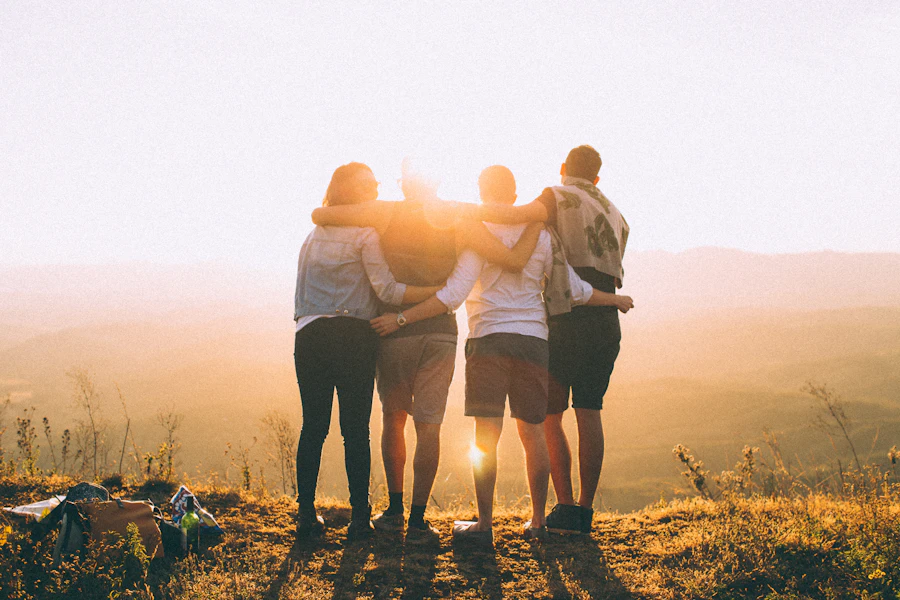
Physical activity rarely occurs in isolation. Even solo pursuits like running or climbing exist within broader ecologies: the training partner, the route-setter, the volunteer race organizer, the online forum where gear is discussed and routes are shared. These social layers are not peripheral to the activity; they are central to its endurance.
Our directory of community stories highlights groups that have transformed individual pursuits into collective projects—maintaining trails, organizing free youth programs, advocating for public access to natural spaces. These initiatives demonstrate how movement can serve as infrastructure for civic engagement and mutual aid.
"The goal is not to win. The goal is to still be moving—with curiosity, with others, with joy—decades from now."
Aging, Adaptation, and Grace
The athletic body changes. Joints that once absorbed impact without complaint begin to protest. Recovery extends. Former strengths become asymmetrical liabilities. This is not failure; it is information.
Our long-term research documents how lifelong movers adapt their practices across decades: transitioning from high-impact to low-impact modalities, shifting focus from intensity to frequency, incorporating mobility work as central rather than supplemental. The most successful aging athletes share not genetic good fortune but psychological flexibility—the willingness to modify cherished activities rather than abandon them.
We believe this adaptability is trainable. The same cognitive skills that allow elite performers to adjust to injury or age-related decline can be cultivated by recreational movers at any stage. Our resources emphasize sustainable progression, not peak performance—building practices that can outlast us.
The Work Remaining
Access to movement is not evenly distributed. Economic barriers, infrastructure gaps, cultural exclusion, and disability all shape who can participate and how. Our editorial commitment includes amplifying voices and initiatives working to dismantle these barriers—from sliding-scale studio access to adaptive equipment lending libraries to culturally specific programming.
We do not pretend neutrality on these questions. We believe movement should be available to all bodies, in all contexts, at all life stages. The work of building that world is ongoing, and our platform aims to contribute by documenting models that work and sharing them widely.